Quick summary
- During tropical Queensland's marine stinger season, which is usually November to May, jellyfish danger is heightened.[1]
- In winter (June to August), average reef water temperatures are 24°C; in summer (December to February), they are 29°C.[2]
- The half-day snorkeling tour from Cairns costs from US$125 and lasts 4 hours with an English-speaking instructor.[3]
- Stretching over 2,300 kilometres, the Great Barrier Reef encompasses some 3,000 separate coral reefs.[4]
- Northern hard coral cover increased from 30.0% in 2025 to 35.1% in 2026.[5]
- Top choice Half-Day Snorkelling Tour from US$125 Duration4 hours[3]Rating4.73 from 1,768 reviews[3]LanguageEnglish instructor[3]CancellationFree up to 24 hours[3] Check availability
- All-Inclusive Half-Day from US$139 Duration5 hours[6]Rating4.85 from 557 reviews[6]LanguageEnglish instructor[6]CancellationFree up to 24 hours[6] See this tour
- Green Island Cruise from US$78 Duration5 - 9 hours[7]Rating4.38 from 1,726 reviews[7]LanguageEnglish, Japanese, Chinese host[7]CancellationFree up to 24 hours[7] See this tour
While marine stingers may be present throughout the entire year in tropical Queensland, the risk associated with these two types of potentially dangerous jellyfish are higher during the ‘marine stinger season’ that typically runs from November through to May.
Snorkeling the Reef Is Manageable with the Right Prep
Know before you leave
What Are the Real Dangers of Snorkeling the Great Barrier Reef?
Snorkeling on the Great Barrier Reef is a bucket-list activity, but it is not without risk. The hazards are familiar ones: strong tropical sun, boat traffic, currents, and the possibility of a jellyfish encounter. During tropical Queensland's marine stinger season, which is usually November to May, jellyfish danger is heightened.[1] That fact should frame your planning rather than scare you.
In winter (June to August), average reef water temperatures are 24°C; in summer (December to February), they are 29°C.[2] Cairns' dry season goes from approximately May to October, while the wet season is approximately December to March.[10] Knowing which season you are travelling in helps you choose what to pack and when to go.
Many of the worries people bring about sharks and stingers are overstated. The reality is that tour boats stick to well-known sites, crew watch the conditions, and first-time snorkellers stay close to the guide. With a little common sense, the reef is an approachable place. Most of the risk on a snorkel trip comes from the sun and your own inexperience, not from marine life. On a busy boat the crew will point out where to enter and exit, how to clear a mask and what to do if you feel tired. Keep your movements slow, breathe evenly and rest on the boat when you need to. That is how regular snorkellers spend hours in the water without incident.
Stinger Season and Jellyfish Safety
Marine stinger season in tropical Queensland typically runs from November through to May, when the risk from dangerous jellyfish is higher.[1] Stingers may be present all year, but these are the months to be extra careful. Know the season before you book and pack accordingly.
Tour operators often encourage guests to wear stinger suits, especially in the warmer months. If a suit is offered, take it; it also gives a little sun protection and warmth in the water. For snorkellers on a guided half-day tour, the practical risk is low. Your instructor speaks English and will brief you on where to swim, what to touch, and what to avoid.[3]
The crew will also tell you where stingers are most likely to be found and what to do if you see one. Jellyfish are not aggressive; they drift with the current and a stinger suit is a simple barrier. Wearing one is no more awkward than a thin wetsuit, and it removes a worry from your first swim.
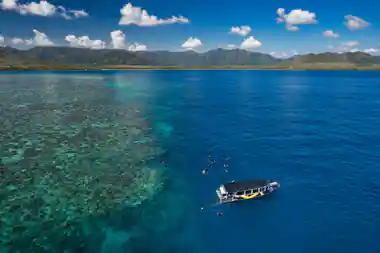
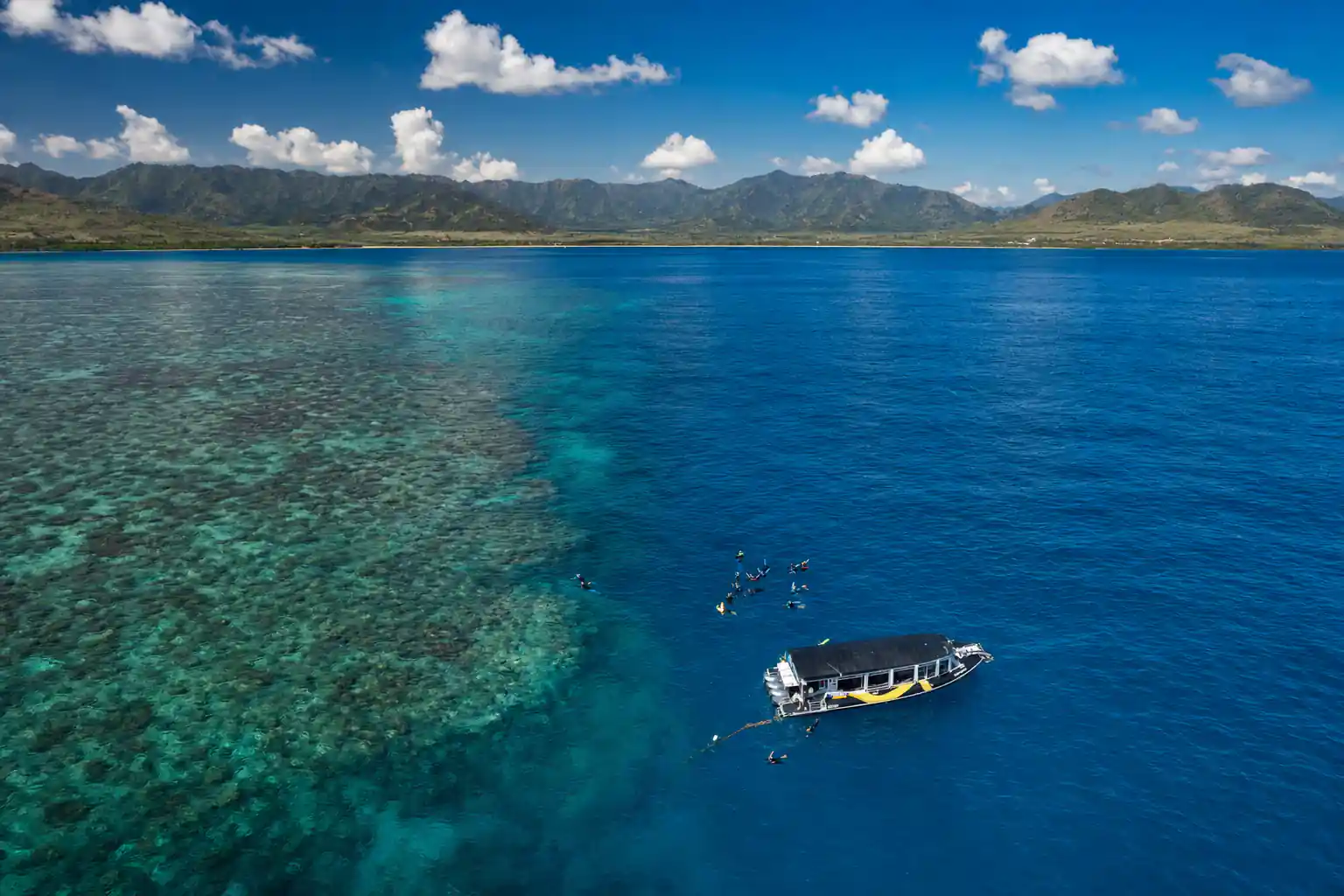
A half-day reef boat moored beside a dark reef flat, with snorkellers spread across the water.
The Reef Below: Corals, Fish and Turtles
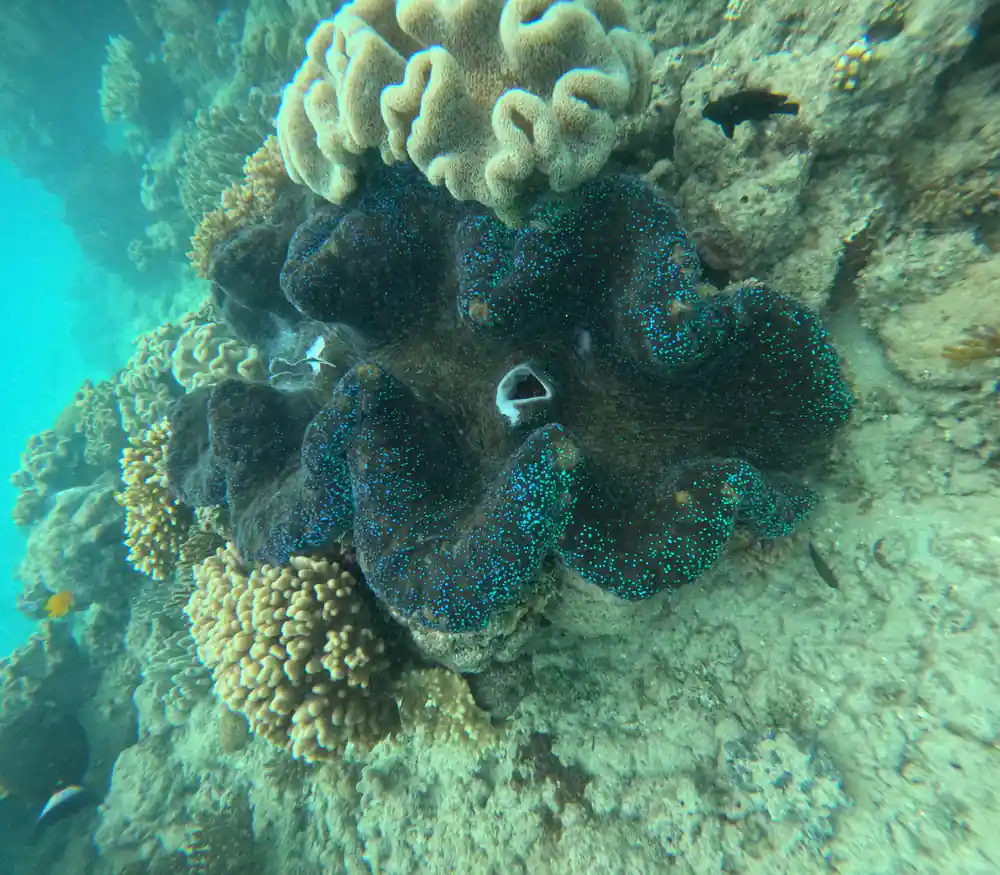
The Great Barrier Reef is immense, stretching more than 2,300 kilometres up Australia's northeast coast and comprising about 3,000 individual coral reefs.[4] It is home to over 1,600 species of fish, over 600 species of corals, and six of the world's seven species of marine turtle.[11] That diversity is exactly what makes a half-day snorkel so rewarding.
The reef also shows signs of resilience. According to the latest AIMS monitoring, hard coral cover in the northern Great Barrier Reef has risen from 30.0% in 2025 to 35.1% in 2026.[5] Coral spawning follows a seasonal rhythm: inshore reefs typically spawn in October, while outer reefs spawn during November or December.[12] These patterns are part of the reef's natural cycle.
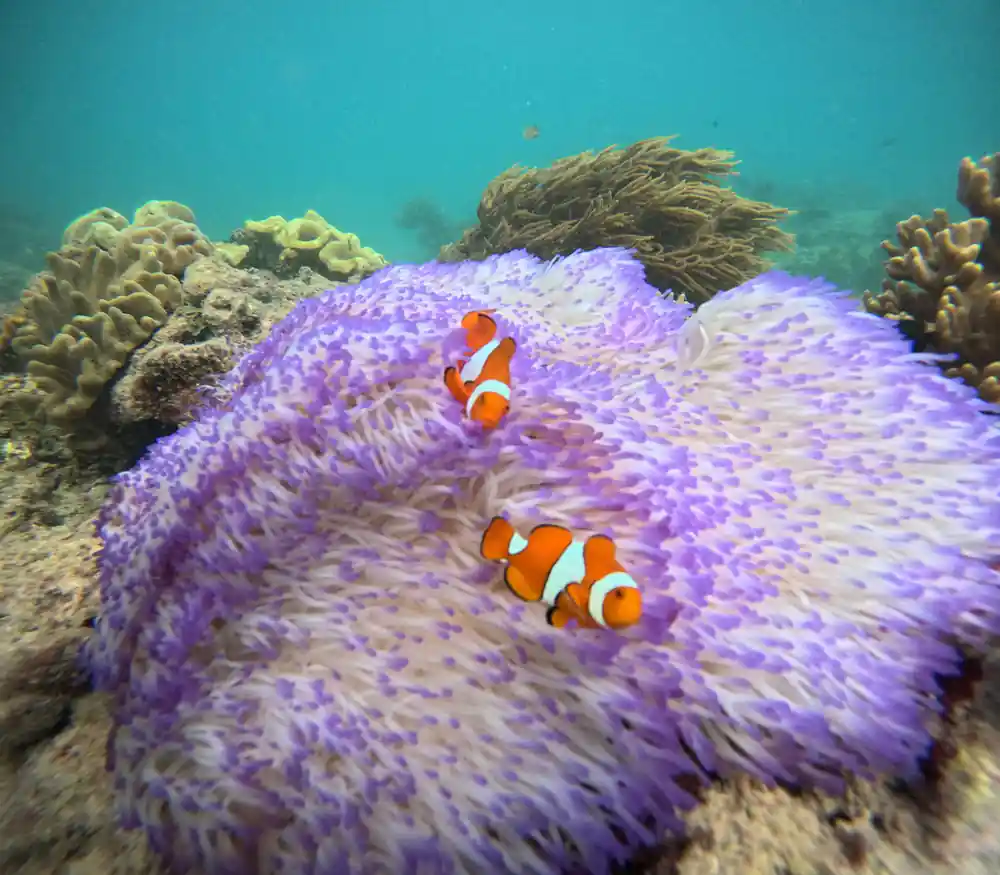
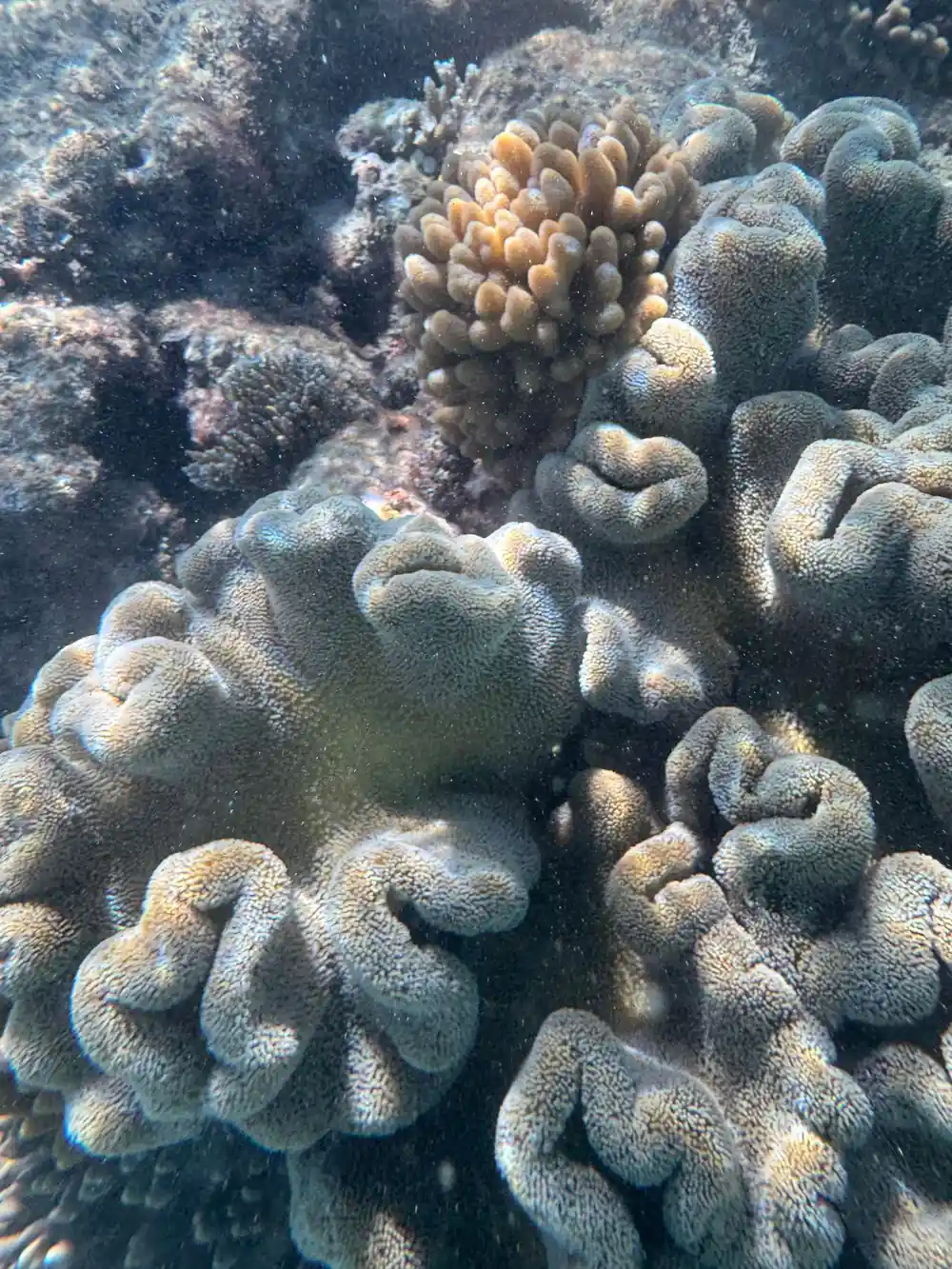
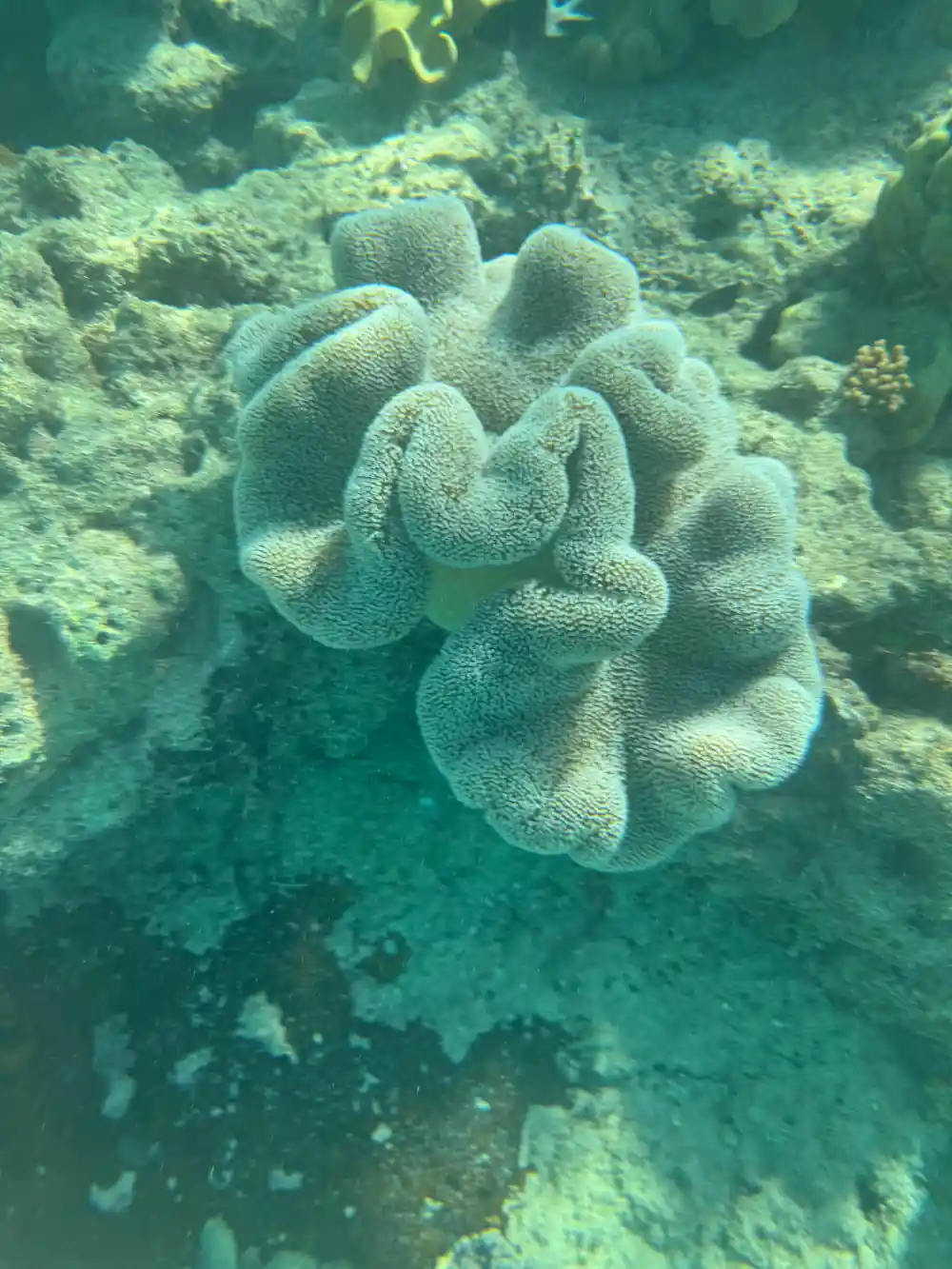
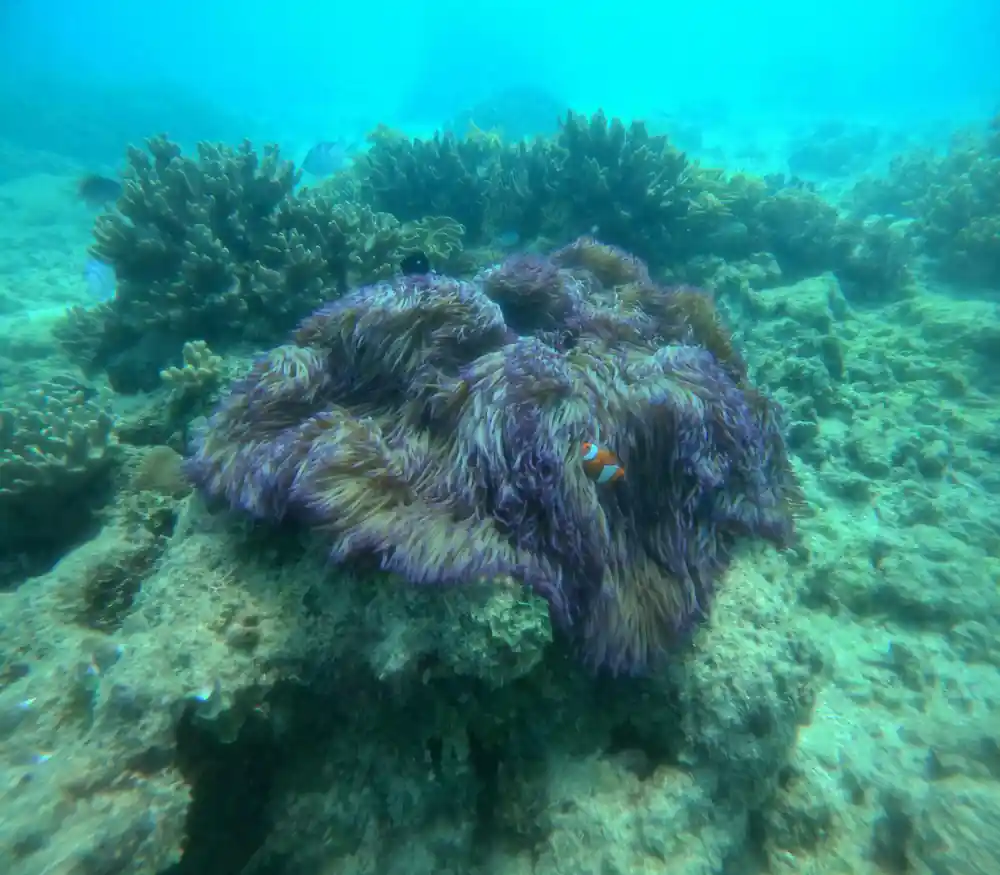
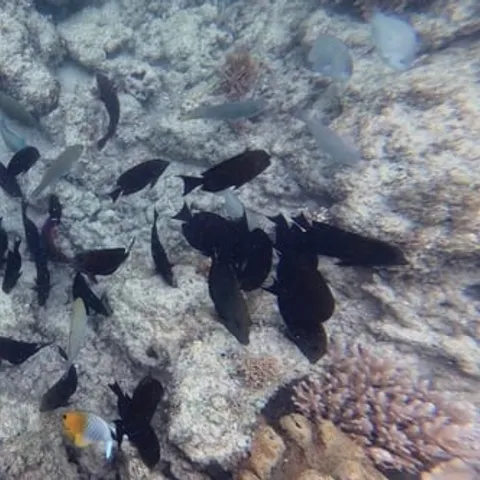
From the surface, you will likely see branching corals, schools of small fish, and perhaps a green turtle gliding over a coral garden. The water clarity varies with wind and tide, but the experience is about colour, movement, and the sense of being inside a living system. While coral cover varies from reef to reef, the health of the system is a story of local conditions and long-term recovery. The monitoring figures are encouraging, and the reef remains a place where a single snorkel can reveal an extraordinary amount of life.
Getting There: Cairns Departures and Travel Times
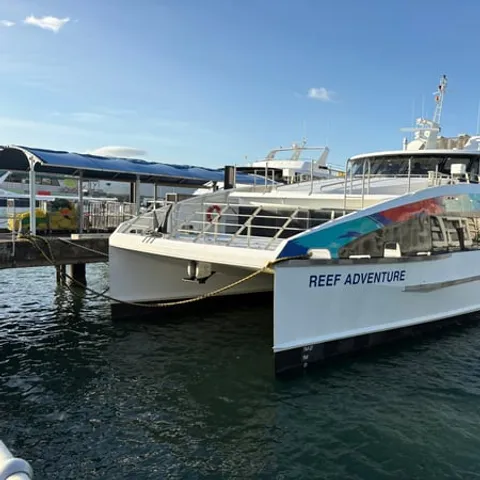
Nearly all reef boats from Cairns depart from the Reef Fleet Terminal at 1 Spence Street, Cairns.[9] The Sunlover's Moore Reef pontoon is positioned 47 km from land, on the Outer Reef.[13] For those wanting a nearer island, Green Island lies 27 km east of Cairns and the crossing by boat lasts about 45 minutes.[14]
For a half-day snorkelling tour, the time on board is part of the fun. The tour booked from this site lasts 4 hours.[3] You may book now and pay later, with free cancellation permitted up to 24 hours ahead.[3] Reef boat timings depend on tides and weather, so arrive at the terminal with plenty of time.
The Great Barrier Reef Environmental Management Charge for a full-day passenger is $8.50 per day.[8] If you are staying in central Cairns, the terminal is within easy reach of most hotels, and getting there on foot is often as simple as walking along the Esplanade. The early start is worth it; the water is usually calmer in the morning and the light on the reef is beautiful. On the return crossing, there is time to dry off, compare notes with other passengers and watch the coast come back into view.
from US$125
The 4-hour half-day snorkeling tour leaves from Cairns and includes an English-speaking instructor; free cancellation is offered up to 24 hours ahead.[3]
How to Plan a Safe Half-Day Reef Trip
Start with the booking. The half-day snorkelling tour from Cairns is priced from US$125 and lasts 4 hours.[3] It is led by an English-speaking instructor and offers reserve now, pay later booking, with free cancellation up to 24 hours before departure.[3] That flexibility matters when weather and travel plans shift.
On the day, wear a swimsuit under a rash shirt or t-shirt, bring a towel, and use reef-safe sunscreen. A wide-brimmed hat and sunglasses help between swims. If you are prone to seasickness, consider taking medication before the crossing rather than waiting until you are on board. Choose a tour that matches your comfort level; a half-day trip is a good introduction because it keeps time on the water short.
In tropical Queensland, marine stinger season lasts from November through to May, so arrange your protection for those months.[1] Think of the trip as small chapters: the ride out, the time in the water and the ride back. Each has its own pace, and a half-day tour keeps all three short enough that you never feel rushed.[3] If you are new to snorkelling, tell the crew before you board; they are used to first-timers and will keep an eye on you.
What to Expect on the Water
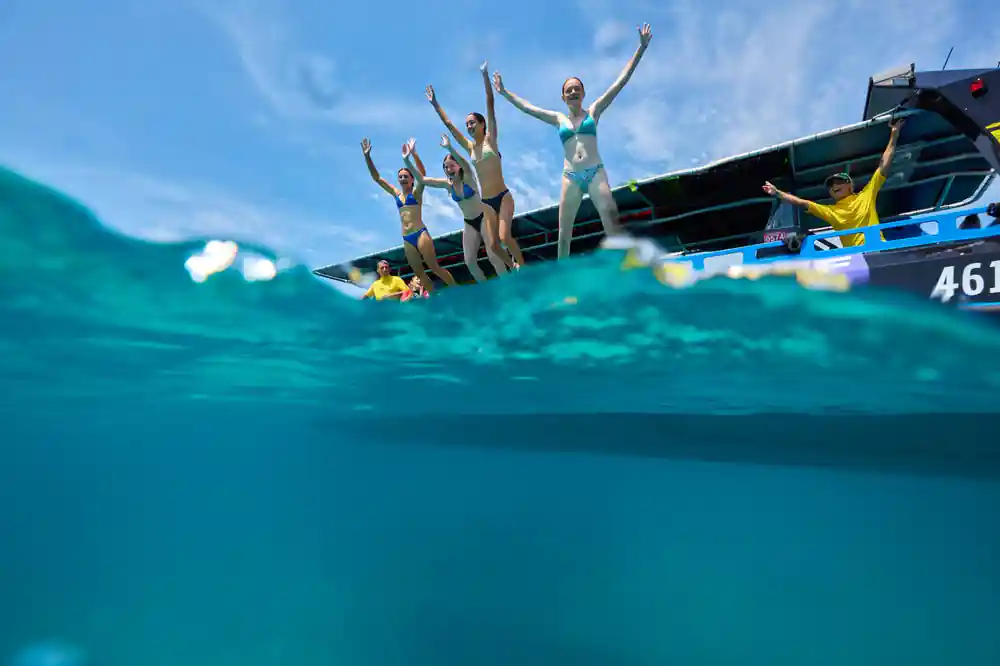
On a half-day reef tour, the crew handles the logistics and you focus on the water. The tour duration is 4 hours, and the instructor speaks English.[3] Expect a safety briefing, help with your mask and fins, and a guide who stays in the water with the group.
In winter (June to August), average reef water temperatures are 24°C; in summer (December to February), they are 29°C.[2] In winter, a stinger suit or wetsuit adds warmth; in summer, it offers protection. The sun is intense even on cloudy days, so reapply sunscreen before and after your swim.
Remember that the reef is a protected environment. Look with your eyes, not your hands, and keep your fins away from the coral. Before you go, understand the dangers of snorkeling great barrier reef waters, including accidental contact with marine life, and give turtles and fish space. Enjoying the reef does not require being a strong swimmer. Most boats have areas where beginners can drift with a life vest or float line, and the instructor will match the pace to the group. If you want to stay close to the boat, that is fine; the crew will not push you beyond your comfort zone. The goal is to relax and let the reef come to you.
Book Your Cairns Half-Day Snorkeling Tour
The tour booked from this site is a practical choice for first-time and returning snorkellers. It is priced from US$125, rated 4.73 from 1,768 reviews, and runs for 4 hours.[3] The instructor speaks English, and you can cancel for free up to 24 hours in advance.[3] With reserve now and pay later, you can secure the date and pay nothing today.[3]
When you book through greatbarrierreefsnorkeling.com, you secure a spot with a trusted local operator. If your plans change, free cancellation gives you a full refund when you cancel at least 24 hours before the tour.[3] The dangers of the great barrier reef should be respected, not feared. With the right tour, the right gear, and a sensible attitude, a half-day on the reef is a memorable thing to do in Cairns.
Even a short encounter with the reef changes the way you think about ocean conservation. The colours, the noise of parrotfish grazing and the unhurried movement of a turtle stay with you long after the boat docks. Book your dates, pack your swimsuit and give yourself the morning to slow down.
Distance and Scale
Compare Cairns Reef Tour Prices
USD from-prices from GetYourGuide tours:[3],[6],[7],[16].
Best Times for a Cairns Reef Trip
Safe half-day reef steps
Check the season
Marine stinger season in tropical Queensland runs November through to May, so plan your gear and expectations.[1]
Book with flexibility
Reserve the 4-hour half-day tour from US$125 and enjoy free cancellation up to 24 hours in advance.[3]
Find the terminal
Reef boats depart from the Reef Fleet Terminal at 1 Spence Street, Cairns.[9]
Listen to the briefing
The tour has an English-speaking instructor who will guide you in the water.[3]
Wear a stinger suit
If the crew offers a stinger suit, wear it; it is simple protection and peace of mind.
Know the emergency plan
Listen carefully to the crew's safety briefing before entering the water so you know how to respond if anyone needs help.
Ready to meet the reef on a safe half-day tour from Cairns?
from US$126Reserve now & pay later