Quick summary
- A fast vessel means less of the four hours lost to travel and more of it spent snorkelling at the reef.
- The vessel takes a maximum of 27 guests, smaller than the large catamarans some Cairns reef trips use.
- A small fast boat moves more than a large catamaran in choppy water, so the crossing can feel rough.
- People prone to seasickness, non-swimmers, and anyone outside the 6 to 65 age range are excluded by the operator.
Why this trip uses a fast vessel
Reef Adventures Cairns runs this half day trip out to the Great Barrier Reef in one of its fast vessels, not one of the large catamarans that spend a full day on the water. That choice shapes almost everything else about the four hours you spend on this trip.
The four hours split unevenly. An hour and a half of it is guided snorkelling at the reef. The rest, getting out to the water, getting back, and everything in between, is where the boat's speed does its work. A slower vessel spends the same four hours moving more of that time and diving into less of it.
What speed buys on a half day trip
A half day tour has less slack in it than a full day one. There is no long lunch moored at the reef, no second stop to fill an afternoon, and no spare hour if the crossing runs long. Choosing a great barrier reef from cairns trip that runs half a day rather than a full one means ninety minutes of guided snorkelling has to survive being fitted into four hours total, and the only way to protect that ninety minutes is to spend less of the four getting there and back.
That is the whole case for choosing a fast vessel over a bigger one on a trip this length. Among great barrier reef tours cairns operators run, the ones built around large catamarans can be a smoother way to spend a full day at the reef. On a half day trip, extra crossing time comes directly out of the water time, and ninety minutes is not much to begin with.
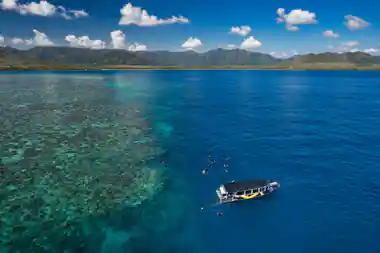
A fast vessel crossing open water on the way out to the reef.
The honest trade: a rougher ride in a swell
Speed comes with a downside, and it shows up when the sea is up. A small fast boat sits lighter on the water than a large catamaran, so it moves more in a swell: more pitching, more spray, a quicker motion rather than a slow roll. On a calm day this barely registers. On a day with wind chop or a rolling swell, the crossing can be genuinely uncomfortable.
This is not a reason to avoid the trip. It is a reason to know what you are choosing. A large, heavy catamaran rides flatter through the same conditions because its size and weight resist a swell in a way a smaller fast boat cannot. That steadiness is part of what you trade away for spending less of a short day travelling and more of it snorkelling.
Who should not book this trip
The operator is direct about who this is not for, and a fast boat in open water is part of the reason. People prone to seasickness are explicitly excluded, which follows directly from how a small fast vessel handles a swell. Non-swimmers are excluded too, along with children under 6 and, less expectedly, adults over 65.
The full list also rules out people with back problems, mobility impairments, wheelchair users, heart problems, respiratory issues, pre-existing medical conditions, recent surgeries, and a low level of fitness. The operator describes the snorkelling itself as strenuous. None of these are formalities: they describe who will be turned away at the marina, not only who might have a harder day.
27 guests
A maximum of 27 guests join each crossing, fewer than the big catamarans some Cairns reef trips carry.
Meeting the boat at Cairns Marlin Marina
Check in 30 minutes before your departure at the Reef Adventures office at Cairns Marlin Marina, Finger B, next to the vessels themselves. Look for the company's flags to find the right spot among the other operators along the marina. There are three departures a day, and a fast crossing is part of how the operator manages to run that many.
Among cairns reef tours, this one runs entirely in English, and the departure times themselves are set by the operator's own schedule on the day you book. Confirm the exact time when you reserve rather than assuming it in advance.
What's provided once you're aboard
The boat ride itself, quality snorkelling equipment, a snorkel guide, and flotation devices are all part of the trip, along with stinger suits when the season calls for them and snacks served on board. Drinks are available to buy rather than included. Reef Adventures also takes GoPro photos through the day, at no extra charge.
A wetsuit and a prescription mask are not included but can be hired, and hotel transfers are not part of the booking. Bring a hat, swimwear, a towel, sunscreen and water. None of this depends on the boat's speed directly, but on a short half day trip, forgetting sunscreen or a hat matters more than it would on a longer one.
The reef, once you're in the water
The fast vessel runs to one of two reef sites the operator uses, chosen for conditions on the day rather than fixed in advance. A snorkel guide gets in the water with the group rather than pointing from the boat, which matters on a reef where the interesting parts are shallow rather than deep. Coral is densest on the shallow reef top, which is also where most of the ninety minutes of snorkelling happens.
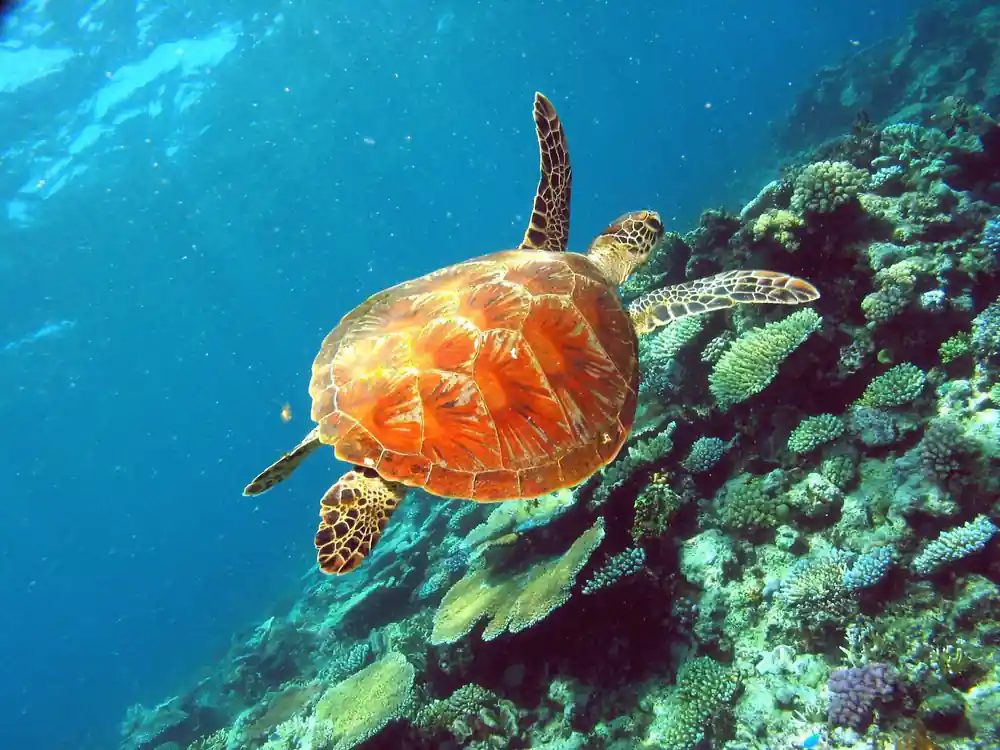
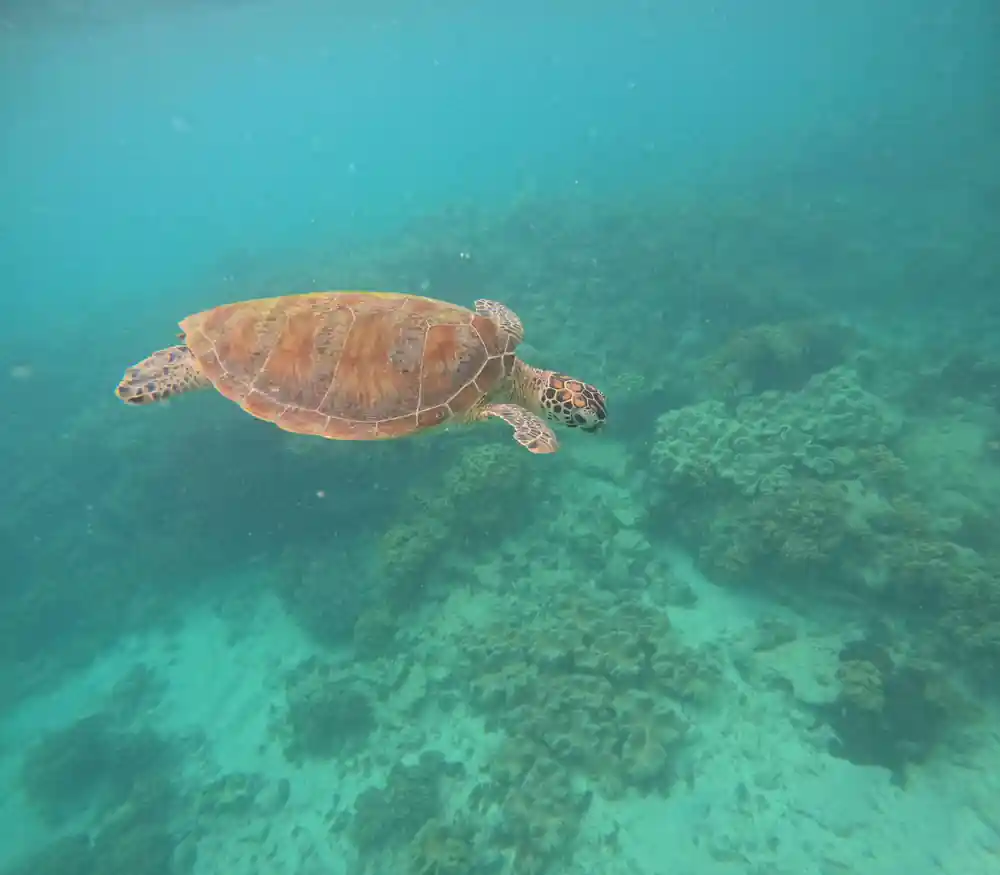
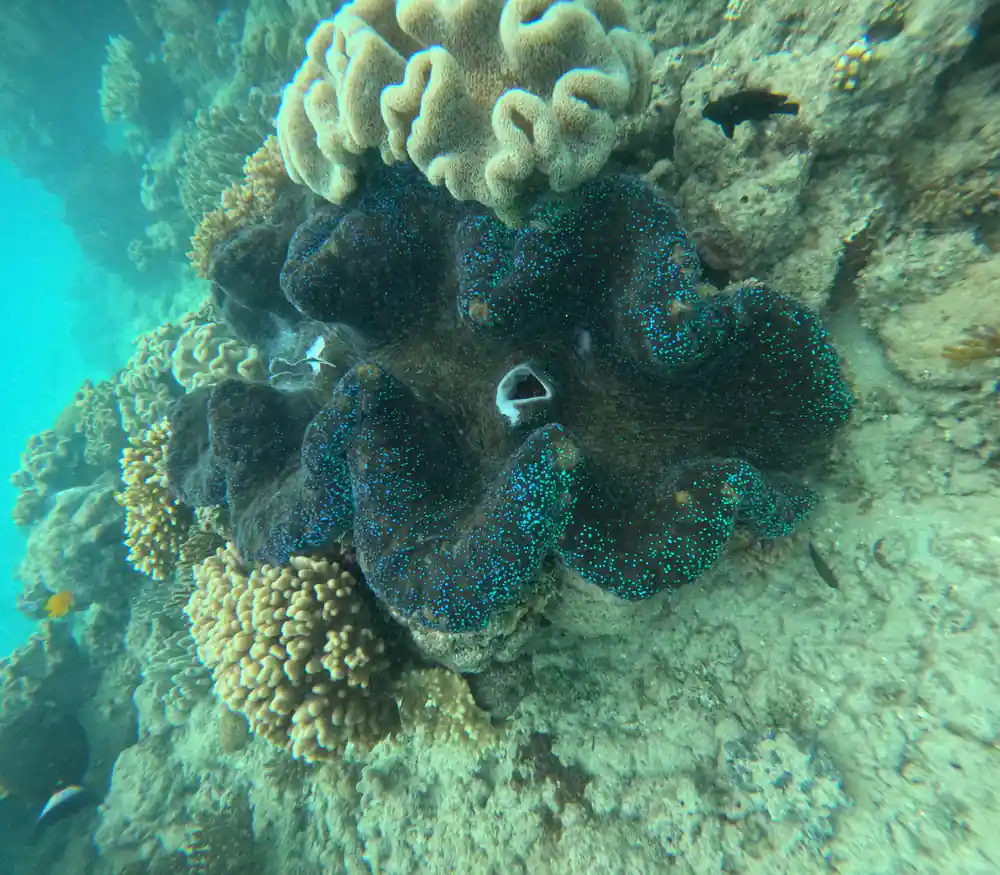
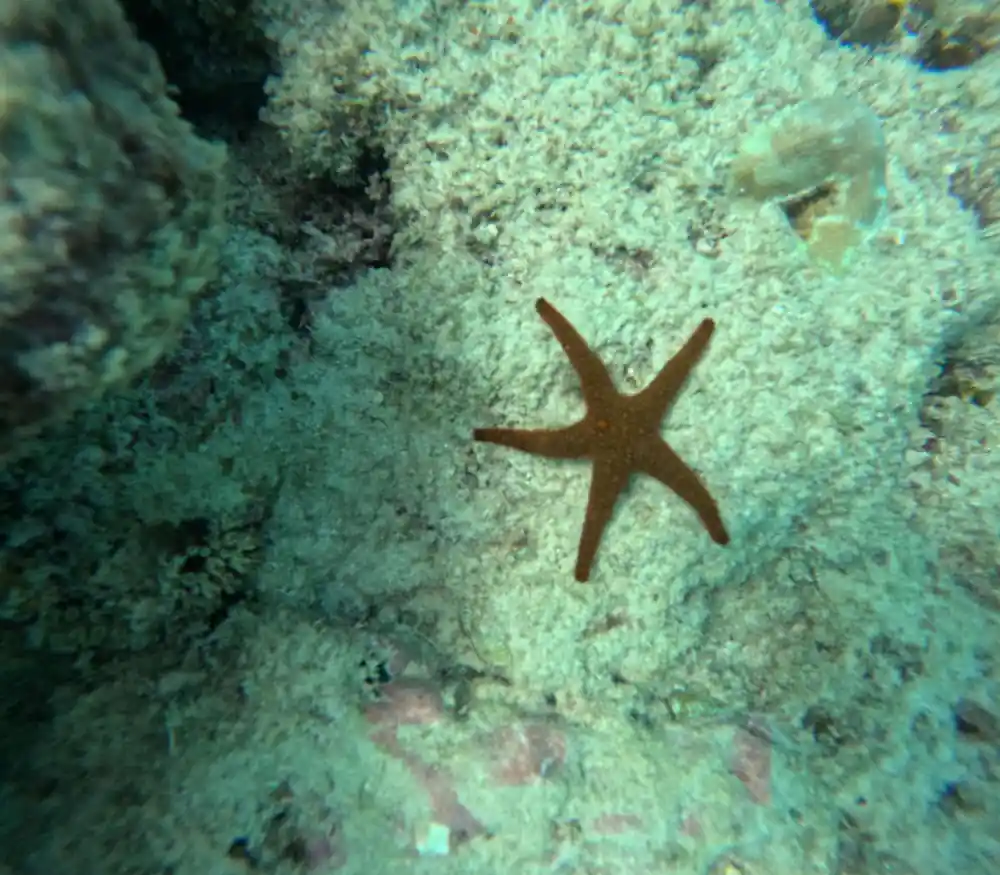
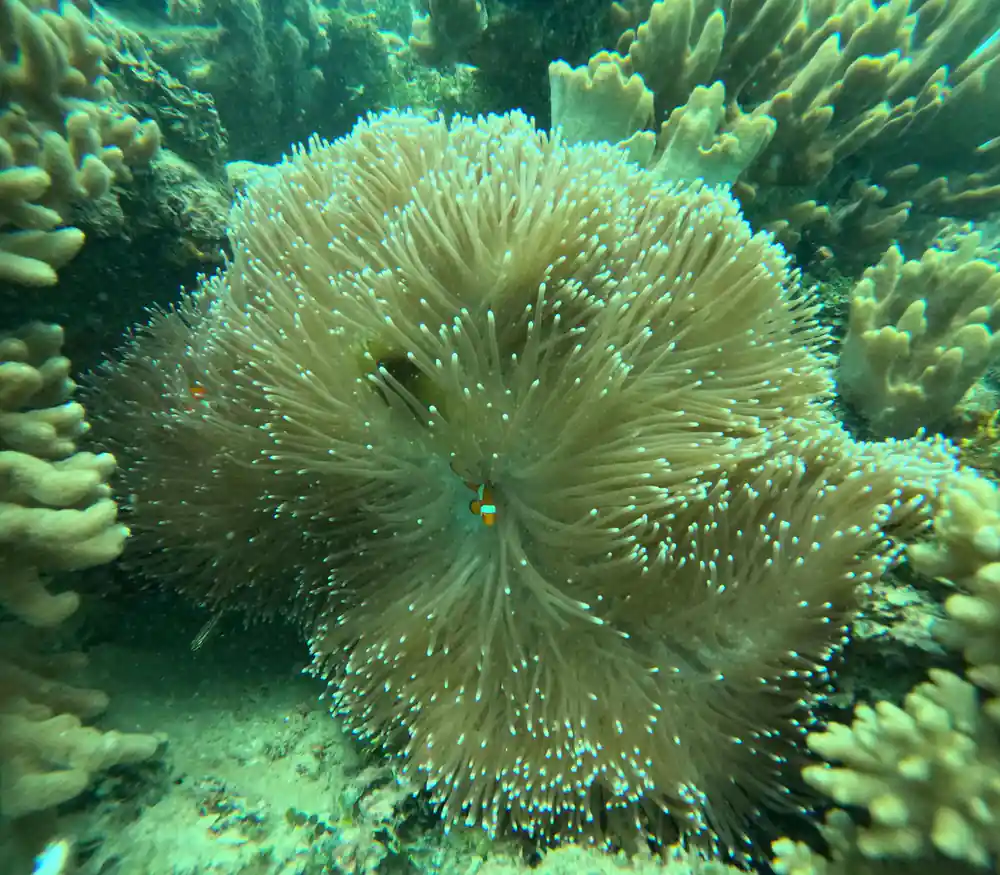
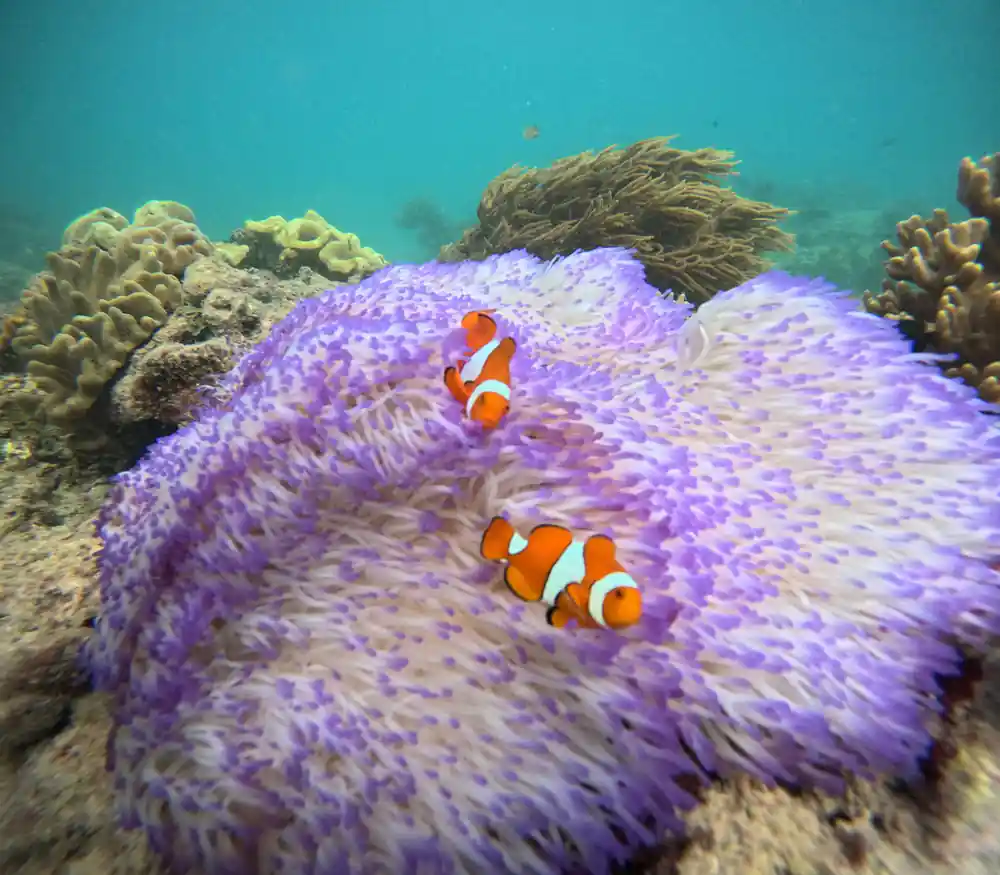
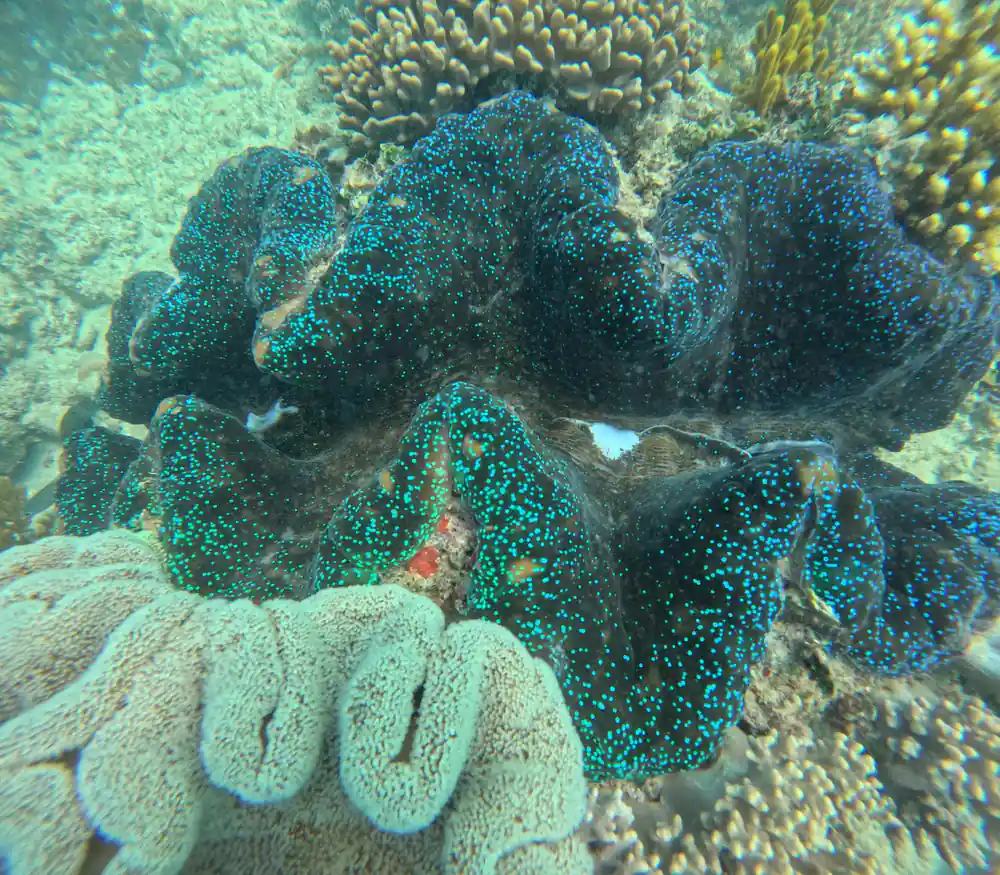
What you actually see is not guaranteed and varies by site and by day, but a shallow Queensland reef commonly shows hard and soft corals, reef fish such as parrotfish, wrasse and clownfish sheltering in anemones, giant clams, blue sea stars and green turtles. Marine stingers are a genuine seasonal risk in tropical Queensland, roughly November to May, which is what the stinger suits provided in season are for.
Check dates for this half day snorkelling trip.
from US$126Reserve now & pay later